KBR 코리아비즈니스리뷰 · Section
KBR NEWS
Free
ISSUE BRIEFING
The Paradox of the 40 Trillion Won Delivery Era: Why Rider Incomes Are Moving Backward
While the delivery market transaction volume grew 10.9% year-on-year to reach an annual scale of 40 trillion won as of January 2026, riders' perceived incomes have actually decreased, leading to a paradox where protests are even calling for a minimum wage per delivery. Although Baemin announced that the average monthly income of riders increased to 3.93 million won, this is based on total gross income before cost deductions for full-time riders working 40 hours or more per week, creating a wide gap with the actual net income of many riders who must bear fuel and insurance costs. The first cause is the free-delivery competition among platforms that began in earnest in 2024, where cost-cutting pressures were passed on to rider delivery fees, lowering the unit price per delivery and increasing labor intensity through bundled deliveries. The second and third causes are oversupply due to the influx of two-job workers amid a youth employment slump, and a cost-shifting structure featuring opaque algorithmic dispatch and straight-line distance delivery fee calculations. Entering 2026, as discussions on a minimum wage per delivery, the implementation of a presumptive employee status system for platform workers, and legislation on fee transparency gain momentum, the era of 'earning as much as you run' has passed, and the very rules of unit pricing and distribution have been brought to the negotiation table.
류현진 선임기자 · 06/11/2026
Read more →
DEEP ANALYSIS
Are Foreign Tourists Really Increasing in Korea?… The Current Status of Inbound Tourism in the First Half of 2026 Told by Numbers
최수진 기자 · 06/11/2026
DEEP ANALYSIS
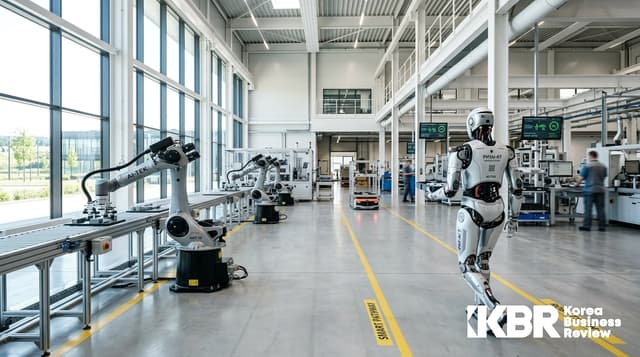
What Jensen Huang's 4-Night, 5-Day Trip Left Behind: Can South Korea Become a 'Core Hub' in NVIDIA's AI Supply Chain?
박소유 책임기자 · 06/09/2026
ISSUE BRIEFING
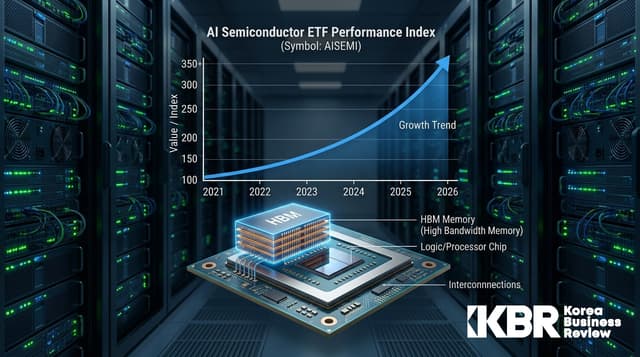
Retail Funds Flock to AI Semiconductor ETFs: Why Samsung Electronics and SK Hynix Value Chains are Chosen
이우리 선임기자 · 06/09/2026

DEEP ANALYSIS
The Reality of the 'Gift' Jensen Huang Brought to South Korea: Strategic Implications of HBM Demand, AI Infrastructure, and Robot Cooperation
류현진 선임기자 · 06/05/2026
ISSUE BRIEFING
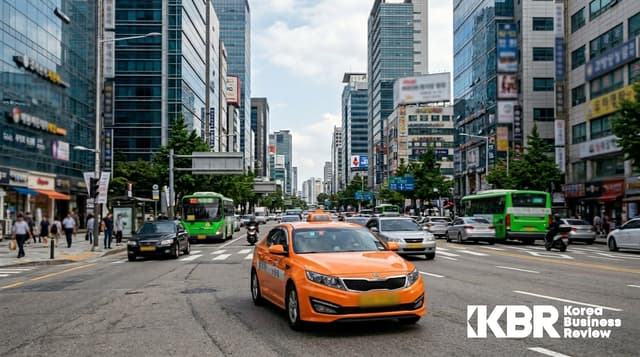
The Taxi Hailing App Era: Why the Elderly Face Longer Waits
The fact that the convenience of mobility platforms does not operate equally for all citizens is emerging as a problem of taxi accessibility for the elderly and a new mobility divide.
강지혜 선임기자 · 06/05/2026
ISSUE BRIEFING
What Changed in SME Policy Funds for 2026: Risk Assessment and Financing Strategies
The Ministry of SMEs and Startups plans to supply SME policy funds for 2026, including loans and interest rate subsidies, focusing on promoting innovative growth and improving demand-centric support systems. Amid a shift in screening criteria from collateral-based to technological and growth potential evaluations, concurrent changes are underway in guarantee requirements from the Korea Credit Guarantee Fund and Korea Technology Finance Corporation, alongside stricter loan screenings by the Korea SMEs and Startups Agency. Small and medium-sized enterprises must proactively review risks related to policy fund dependency concentration, interest rate fluctuations, and repayment schedule management, while concurrently pursuing portfolio diversification strategies with private finance.
이우리 선임기자 · 05/28/2026

ISSUE BRIEFING
5 Macroeconomic Variables That Korean Companies Must Track This Week
While the Bank of Korea signals a potential rate hike in July and strong semiconductor exports are driving growth rates, a significant gap remains with domestic consumption sentiment. The Consumer Price Index (CPI) rose 2.6% year-on-year in April, sustaining inflation pressures, with rising oil prices cited as a major cause. A hawkish stance was confirmed in the Federal Open Market Committee (FOMC) minutes, and some market experts project that there may be no U.S. rate cuts in 2026, making an urgent reassessment of foreign exchange and financing strategies imperative for Korean companies.
이지영 기자 · 05/27/2026
DEEP ANALYSIS
Semiconductors Pull GDP Up by 1.7%, But Why Doesn't the Economy Feel It? — Dissecting the Illusion of South Korea's Economic Structure
Amid a structural bias where a single item, semiconductors, accounts for 46% of total exports, the temperature gap between the vitality of logistics sites and the domestic economic sentiment is wider than ever. As of May 12, 2026, the numbers surrounding the South Korean economy are fractured.
이지영 기자 · 05/12/2026
DEEP ANALYSIS
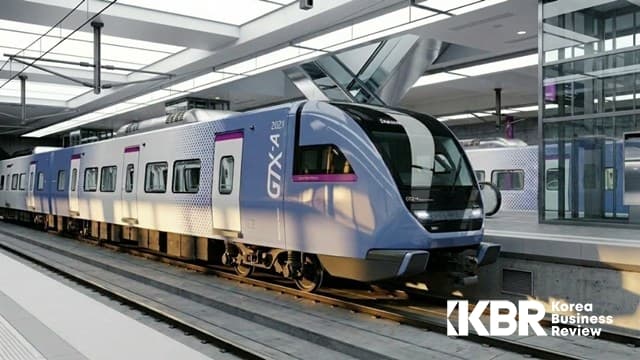
Did the GTX Really Drive Up Housing Prices? A Complete Analysis of Price Fluctuations in Station Influence Areas Before and After Opening
GTX-A is undergoing phased openings starting with the Suseo-Dongtan section in March 2024, with the connection of the Seoul Station-Suseo Station section scheduled for the second half of 2026. While the Metropolitan Express Railway (GTX) has garnered high expectations from market participants for years under the label of a 'transportation revolution,' the actual movement of housing prices around station areas following the actual openings has drawn attention for tracing a trajectory quite different from those expectations.
이태민 기자 · 05/11/2026