
ISSUE BRIEFING
5 Macroeconomic Variables That Korean Companies Must Track This Week
While the Bank of Korea signals a potential rate hike in July and strong semiconductor exports are driving growth rates, a significant gap remains with domestic consumption sentiment. The Consumer Price Index (CPI) rose 2.6% year-on-year in April, sustaining inflation pressures, with rising oil prices cited as a major cause. A hawkish stance was confirmed in the Federal Open Market Committee (FOMC) minutes, and some market experts project that there may be no U.S. rate cuts in 2026, making an urgent reassessment of foreign exchange and financing strategies imperative for Korean companies.
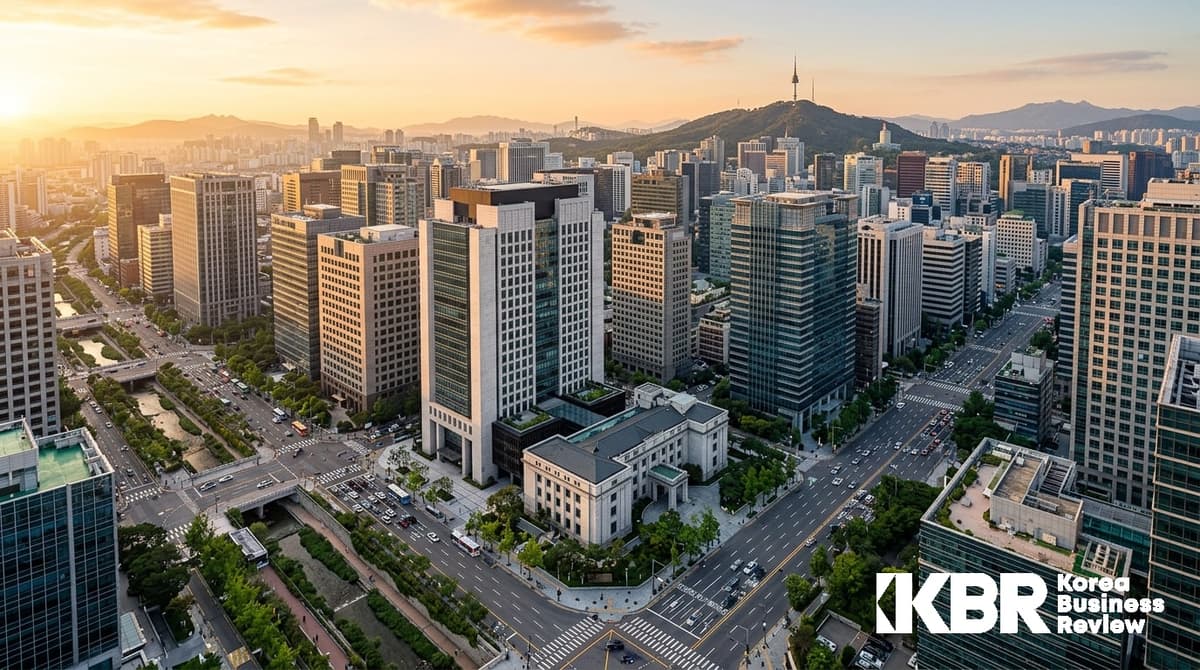
5 Macroeconomic Variables That Korean Companies Must Track This Week Management decision-making is always a battle against uncertainty. However, uncertainty also has a structure.…
KBR Access
You've used up this month's KBR News reads
Non-members can read a limited amount of KBR News content. Sign up for free or check the membership guide to keep reading.
This month's reading: 1 / 1 used
KBR NEWSLETTER
Sign up for free and get the KBR Newsletter!
Sign up and opt in to the newsletter to receive KBR's curated business and economic insights by email.
LATEST IN TOPIC
Latest in this topic



Related Content