

INDUSTRY & ECONOMIC POLICY
Semiconductor Special Act Enforcement Decree Takes Effect August 11: Priority Designation for Non-Capital Region Clusters and Special Account to Run Until 2036
The Semiconductor Special Act and its enforcement decree took full effect on August 11, formally activating the national support system approximately six months after the law's enactment on February 10. A new Presidential Committee on Strengthening Semiconductor Industry Competitiveness has been established as the overarching control tower to oversee cluster designations and review master plans. Infrastructure costs for clusters will be subsidized by the central and local governments at 50% to 100% of total project expenses, with complete funding for redundancy and supply chain stability facilities, and a non-capital region priority principle explicitly codified. A dedicated special account operational until 2036 secures a mid-to-long-term financial channel, complemented by the designation of training institutions to connect regional professionals with employment and retraining. However, the 52-hour workweek exemption clause was ultimately excluded due to strong opposition from labor unions. With the implementation coinciding with a boom period—July semiconductor exports reaching $41.0 billion, accounting to 40.3% of total exports—the speed of execution and securing financial resources remain key focal points.
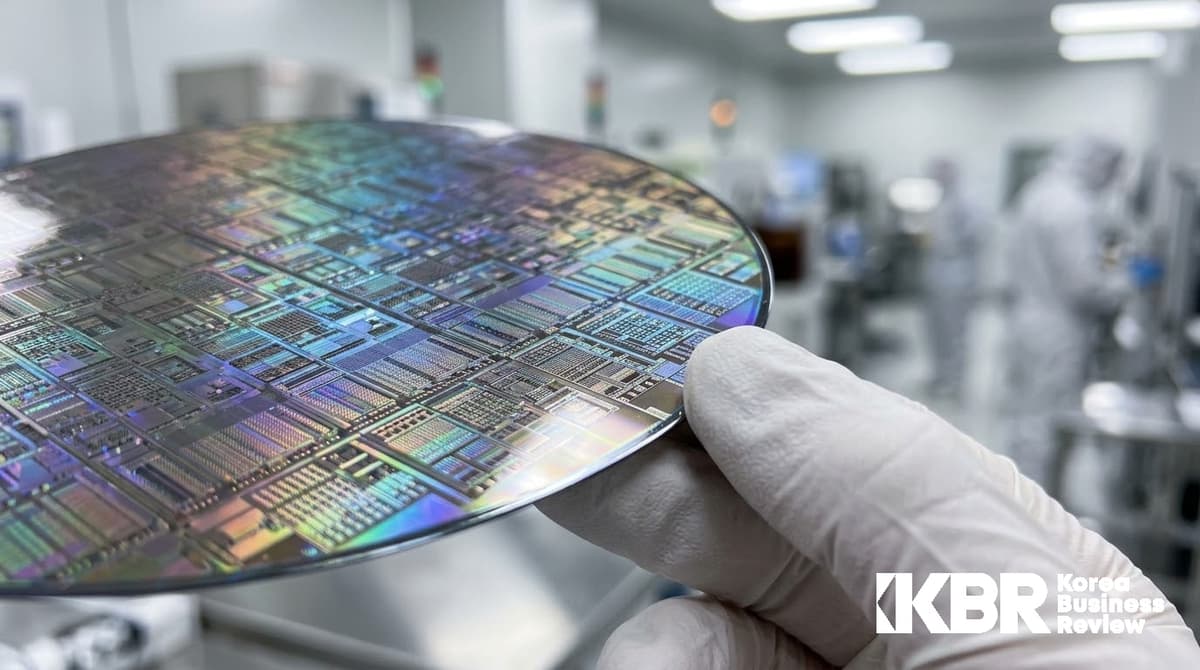
Semiconductor Special Act Enforced in Full Force on the 11th… Era of Up to 100% National Support for Cluster Infrastructure National Support System Activated via Presidential Special Committee and Special Account… Non-Capital Region Priority Designation Codified, 52-Hour Workweek Exception Excluded The Special Act on S…
KBR Access
Read this Policy Insight article now
Buy this article for ₩3,900 (30 days of access), or get KBR+ 10 — 10 paid articles for ₩9,900 (₩990 each). KBR Members (free sign-up) read one paid article free every month.
✓ No account needed · Checkout is in Korean
Best value
KBR+ 10 · ₩9,900
An insight pass that opens 10 KBR+ articles, one at a time, whenever you like
10 KBR+ articles including KBR Analysis — ₩990 each. Use them within 60 days.
Get KBR+ 10KBR NEWSLETTER
Sign up for free and get the KBR Newsletter!
Sign up and opt in to the newsletter to receive KBR's curated business and economic insights by email.
LATEST IN TOPIC
Latest in this topic
 Employment Bounces Back After a Month, But Youth Employment Rate Falls for 26th Consecutive Month; Government Announces 'Youth Job Recovery Plan' for Q3
 Samsung's 2,655 Trillion Won and SK's 2,100 Trillion Won: The Launch of South Korea's AI Great Transformation with All-In Bets on Semiconductors, Physical AI, and Data Centers
 May Export Prices Hit 28-Year High While Import Prices Fall for Two Consecutive Months: The Decoupling of Korea's Export-Import Index
Related Content
EU Cloud Switching Fee Abolition: Eliminating Costs Does Not Make Data Migration Easy
KBR+6 Things Companies Should Check Before the August 24 Deadline for the Second Public Institution Verification Support Program
KBR+Government to Select 8,000 Aspiring Founders: Receive 2 Million Won to Start, Up to 1 Billion Won Upon Passing Auditions