

GLOBAL ECONOMY
China's Quiet Weapon: Rare Earths and Battery Supply Chains as the Biggest Bottlenecks for Global Industry in 2026
In October 2025, China expanded its rare earth export controls to 12 categories and introduced a 0.1% extraterritorial application, with many of the related measures suspended until November 10, 2026. Japan experienced actual, un-suspended controls, leading to sharp 88% and 82% declines in its rare earth imports from China in March and April respectively, with dysprosium and terbium imports dropping to virtually zero since January. Rare earth prices have surged since the beginning of the year, forming a "dual-market" structure where supplies sourced outside China command a 4 to 6 times premium over domestic Chinese prices. While MP Materials and Lynas have established initial milestones for a non-China supply chain, they are still far from sufficient to replace China's refining market share (approximately 91%). The South Korean battery industry must build the framework for alternative supply chains within this year, caught between a double deadline: the expiration of China's suspension on November 10 and the expiration of the US FEOC graphite suspension at the end of the year.
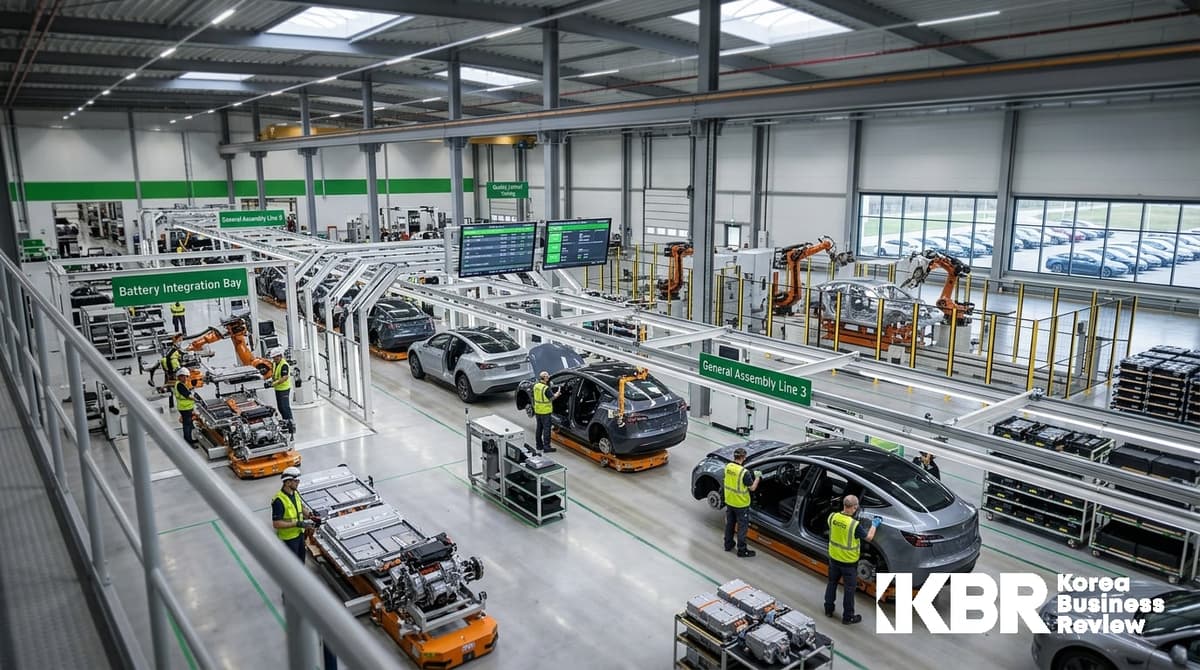
Export Licenses More Fearsome Than Tariffs… The Materials War Cutting Across EVs, Defense, Semiconductors, and Renewable Energy Executive Summary The greatest risk to global supply chains in 2026 is not tariffs, but materials.…
KBR Access
Read this Global Radar article now
Buy this article for ₩3,900 (30 days of access), or get KBR+ 10 — 10 paid articles for ₩9,900 (₩990 each). KBR Members (free sign-up) read one paid article free every month.
✓ No account needed · Checkout is in Korean
Best value
KBR+ 10 · ₩9,900
An insight pass that opens 10 KBR+ articles, one at a time, whenever you like
10 KBR+ articles including KBR Analysis — ₩990 each. Use them within 60 days.
Get KBR+ 10KBR NEWSLETTER
Sign up for free and get the KBR Newsletter!
Sign up and opt in to the newsletter to receive KBR's curated business and economic insights by email.
LATEST IN TOPIC
Latest in this topic



Related Content
Expanding AI Adoption in European Enterprises: The Next Connection Korean Suppliers Need to Find
KBR+A Different Starting Point for Entrepreneurship Found in Small Business Successions in Japan: Taking Over Customers and Equipment First
KBR+Delta Air Lines Sees Rising Revenue but Lower Operating Margins: A Revenue Structure That Withstands High Fuel Costs