

ESG POLICY & STRATEGY
Environmental Permitting Pressure on Automotive and Secondary Battery Plants: Integrating Environmental Permits into a Single System
On August 23, the Ministry of Climate, Energy and Environment announced plans to legislate amendments to the Enforcement Decree and Enforcement Rule of the Environmental Pollution Facilities Act, adding seven industries—including automotive and secondary batteries—to the integrated environmental permitting system. The integrated environmental permit combines up to 10 types of environmental permits and 73 documents scattered across seven laws into a single integrated environmental management plan, while setting customized emission standards for each business site. Implementation is scheduled for January 2028 for three food-related industries and January 2029 for automotive, secondary batteries, flat glass, and rubber products, with a four-year grace period granted to existing business sites. The amendments also include easing measures, such as extending the regular inspection cycle for exemplary business sites to up to five years and easing requirements for integrated environmental managers at small and medium-sized enterprises (SMEs), while strengthening the responsibilities of agency service providers as a trade-off. Currently in the legislative notice stage and not yet finalized, the schedule for establishing and supplementing industry-specific Best Available Techniques (BAT) reference documents is considered the biggest variable for the system's establishment.
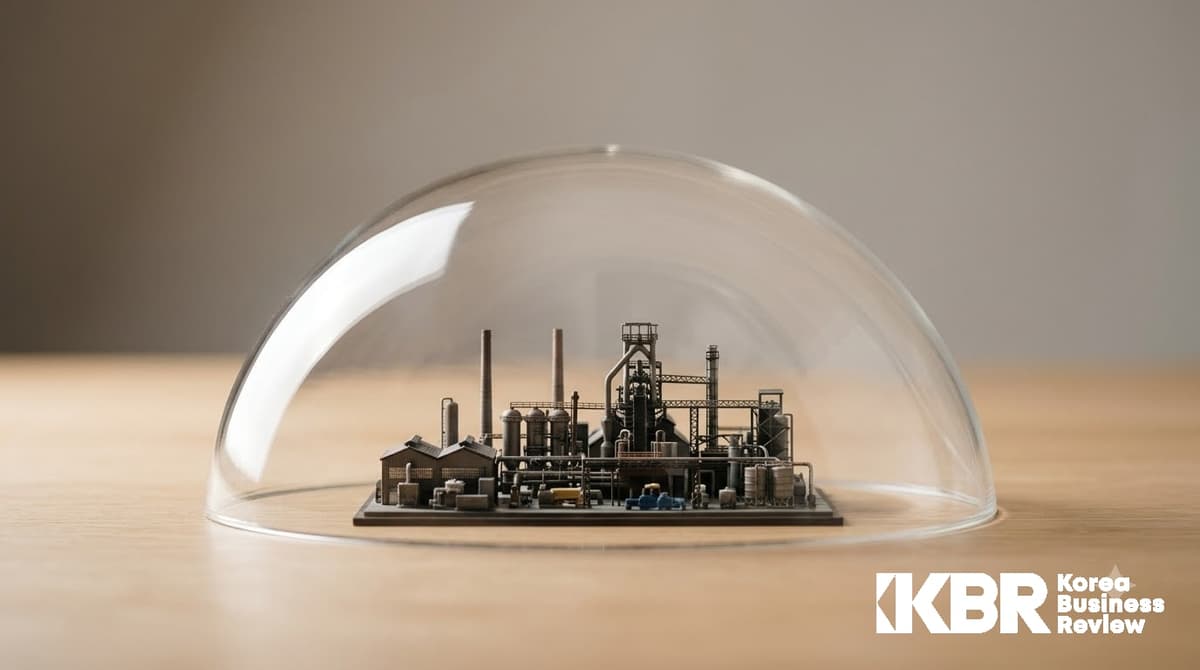
What Is an Integrated Environmental Permit?…
KBR Access
Read this ESG article now
Buy this article for ₩3,900 (30 days of access), or get KBR+ 10 — 10 paid articles for ₩9,900 (₩990 each). KBR Members (free sign-up) read one paid article free every month.
✓ No account needed · Checkout is in Korean
Best value
KBR+ 10 · ₩9,900
An insight pass that opens 10 KBR+ articles, one at a time, whenever you like
10 KBR+ articles including KBR Analysis — ₩990 each. Use them within 60 days.
Get KBR+ 10KBR NEWSLETTER
Sign up for free and get the KBR Newsletter!
Sign up and opt in to the newsletter to receive KBR's curated business and economic insights by email.
LATEST IN TOPIC
Latest in this topic
 EUDR Implementation Dates Vary: Coffee Exports and the Record of Raw Materials to Be Connected
 EU Pay Transparency Directive Implementation in 2026: Mandatory Salary Disclosure and Strategy for South Korean Companies
 Emissions Rise Despite More Renewables: The Missing Time Dimension in Corporate Power Strategies
Related Content