

RESEARCH NOTES
2026 Employment Signals Seen Through National Pension Workplace Data: Where Did Jobs Increase?
In July 2026, the number of employed persons stood at 29,136,000, an increase of 108,000 from a year earlier, but this aggregate figure alone does not reveal which regions or industries experienced job growth. The 'National Pension Enrolled Workplace Details,' released monthly by the National Pension Service, contains legal-dong-level addresses, industry types, number of subscribers, newly acquired subscribers, and lost subscribers at the workplace level, serving as administrative data to fill this gap. However, it covers only corporations with 3 or more subscribers and individual businesses with 10 or more subscribers, primarily targets those aged 18 to 60 and under, and has a reporting time lag of about a month and a half. Thus, it should be read not as a substitute for aggregate employment figures, but as social insurance-based employment signals at the workplace level. The population difference is evident in actual statistics: in July 2026, manufacturing employment based on employment insurance fell by 3,000, marking a 14-month consecutive decline, whereas based on the Survey on Labor Conditions at Establishments, it increased by 14,000, marking a 7-month consecutive rise in the exact opposite direction. While aggregate indicators pointed to a recovery—with regular employment insurance subscribers increasing by 277,000 and establishment workers rising by 226,000—65.0% of the increase came from temporary and daily workers, and youth employment decreased for 45 consecutive months. Ultimately, the warmth of recovery is first verified not on national aggregates, but across a grid of si-gun-gu districts and industries, and National Pension workplace data provides that grid every month.
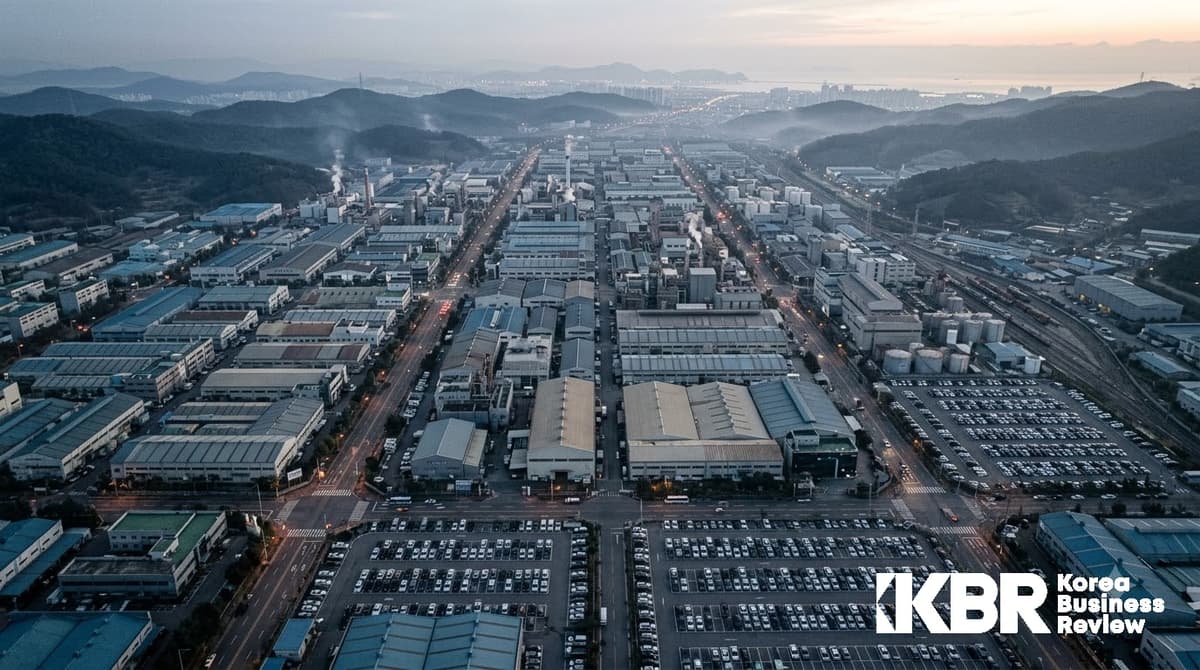
Hiring and Downsizing Read One Floor Below Employment Statistics — The Direction Indicated by Si-Gun-Gu and Industry-Level Administrative Data In July 2026, the number of employed persons stood at 29,136,000, an increase of 108,000 from a year earlier.…
KBR Access
Read this KBR Analysis article now
Buy this article for ₩3,900 (30 days of access), or get KBR+ 10 — 10 paid articles for ₩9,900 (₩990 each). KBR Members (free sign-up) read one paid article free every month.
✓ No account needed · Checkout is in Korean
Best value
KBR+ 10 · ₩9,900
An insight pass that opens 10 KBR+ articles, one at a time, whenever you like
10 KBR+ articles including KBR Analysis — ₩990 each. Use them within 60 days.
Get KBR+ 10KBR NEWSLETTER
Sign up for free and get the KBR Newsletter!
Sign up and opt in to the newsletter to receive KBR's curated business and economic insights by email.
LATEST IN TOPIC
Latest in this topic



Related Content