

ESG MARKET & CASES
A New ESG Issue in the AI Era: How Data Center Power and Water Consumption Are Changing Corporate Sustainability
Driven by the proliferation of AI, global data center electricity demand is projected to surge from 415 TWh in 2024 to approximately 700 to 1,300 TWh by 2030 (945 TWh under the IEA baseline scenario), with demand for AI-specific data centers expected to increase approximately threefold over the same period. Water consumption per prompt varies significantly depending on the measurement methodology, ranging from about 0.26 mL (five drops of water) based on actual Google Gemini measurements to about 45 mL based on Mistral disclosures, while total global data center water consumption could rise from approximately 560 billion liters in 2023 to about 1.2 trillion liters by 2030. Microsoft reported that its total emissions increased by 23.4% compared to 2020 due to AI and cloud expansion, with Scope 3 (indirect emissions) accounting for approximately 97% of the total, bringing resource efficiency across the supply chain to the forefront as a key challenge. Domestic data center electricity demand is expected to grow at an annual average of 11% through 2028, and power applications for data centers in the Seoul metropolitan area alone reach approximately 20 GW (equivalent to 20 nuclear power plants), pointing to grid bottlenecks and supply imbalances as structural risks. The KSSB finalized Sustainability Disclosure Standards Nos. 1 and 2 based on the ISSB in February 2026, and under the Financial Services Commission's roadmap draft, ESG disclosures are scheduled to become mandatory for KOSPI-listed companies with assets of 30 trillion won or more starting in 2028, making data center power and water usage a 'disclosure item right next to the financial statements.'
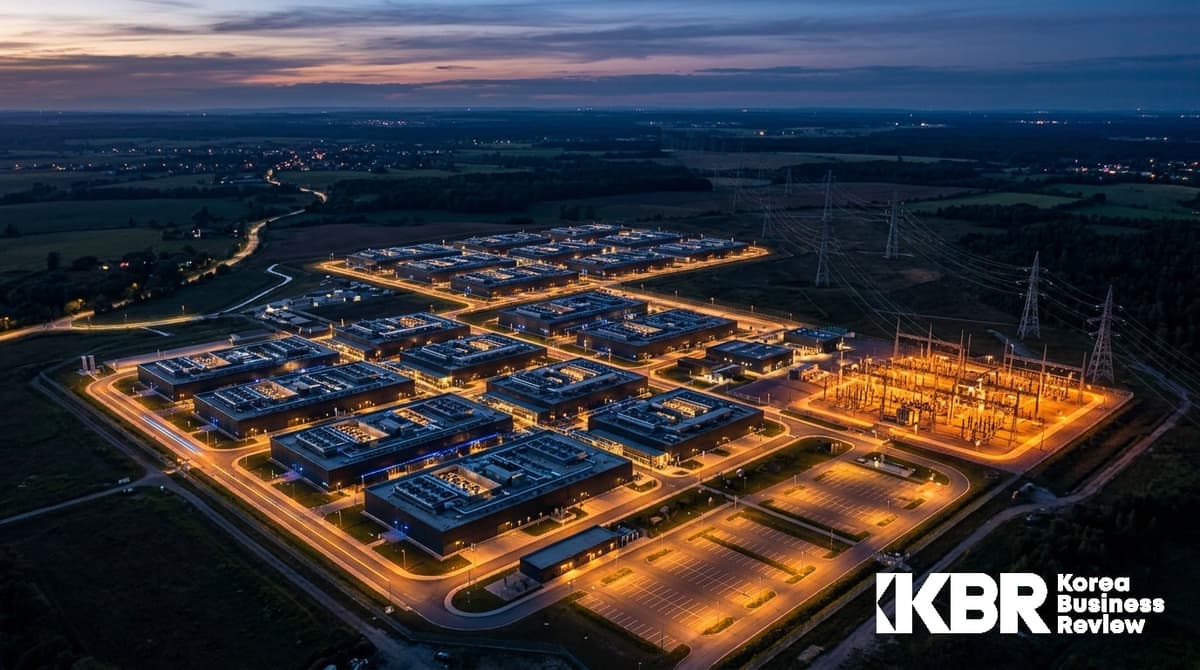
Behind the generative AI boom lie power grids and water tanks. The electricity and water consumed by data centers are rapidly shifting from mere corporate reputation issues to 'financial risks' that determine disclosure obligations and capital raising.…
KBR Access
Read this ESG article now
Buy this article for ₩3,900 (30 days of access), or get KBR+ 10 — 10 paid articles for ₩9,900 (₩990 each). KBR Members (free sign-up) read one paid article free every month.
✓ No account needed · Checkout is in Korean
Best value
KBR+ 10 · ₩9,900
An insight pass that opens 10 KBR+ articles, one at a time, whenever you like
10 KBR+ articles including KBR Analysis — ₩990 each. Use them within 60 days.
Get KBR+ 10KBR NEWSLETTER
Sign up for free and get the KBR Newsletter!
Sign up and opt in to the newsletter to receive KBR's curated business and economic insights by email.
LATEST IN TOPIC
Latest in this topic


Related Content
EUDR Implementation Dates Vary: Coffee Exports and the Record of Raw Materials to Be Connected
KBR+EU Pay Transparency Directive Implementation in 2026: Mandatory Salary Disclosure and Strategy for South Korean Companies
KBR+Emissions Rise Despite More Renewables: The Missing Time Dimension in Corporate Power Strategies
KBR+EU Battery Regulation Full Enforcement in 2027: What to Prepare First Regarding Battery Passports and Supply Chain Due Diligence